November 27, 2026
How to Pick a Nicotine Pouch Strength That Fits Your Experience
By @pouchwise
Choosing a nicotine pouch strength is less about chasing the highest number and more about matching the product to what your body is already used to. A pouch that feels mild to one adult may feel too strong to another. Tolerance, pouch size, how long a pouch is kept in place, and the stated nicotine content all shape the experience.
The goal is a steady, comfortable result without overshooting. For adults aged 18 and over, a sensible approach is to start with the lowest strength that seems reasonable for current nicotine use, then adjust slowly if the result is not right. The steps below keep the decision practical and reduce the chance of an unpleasant session.
Start with your current nicotine experience
Begin by being honest about your existing tolerance. Someone who uses nicotine rarely will not need the same strength as someone who uses it every day. Nicotine tolerance can build over time, and it can also drop after a break. That means a strength that once felt normal may later feel harsher than expected.
Think in broad experience levels rather than trying to match an exact number. If you are new to nicotine pouches, a lower strength is usually the safer starting point. If you already use nicotine regularly, a medium option may feel more familiar. If you have a high tolerance, a stronger product may be relevant, but that does not mean starting at the top of the range.
Watch for a simple warning sign at this stage: if you are choosing a strength based on what other adults use, rather than what your own tolerance suggests, pause. Strength is personal. A higher rating is not automatically better, and it can make the experience feel uncomfortable.
Read the strength rating, not just the front of the pack
Once you have a rough idea of your experience level, look at the strength rating and the nicotine content. A strength rating is useful for quick comparison, especially when products are grouped by strength and flavour, as they are at nicpouch.uk.com. The number on the pack needs context, though. It may refer to the amount of nicotine in the pouch, or to the amount delivered under a particular test method, depending on how the product is presented.

Check whether the figure is shown in milligrams and whether it describes the pouch or the released nicotine. Two products with similar packaging can behave differently. A slim pouch may feel different from a mini pouch even when the stated figure looks similar, because pouch size affects contact and comfort. Flavour can also shape perception, with sharper flavours sometimes making nicotine feel more noticeable.
Watch for vague claims at this step. Words such as extra strong, intense, or mild can help with broad sorting, but they are not a substitute for the actual nicotine content. If the details are unclear, treat the product as stronger than you expect rather than weaker.
Match the format to how you intend to use it
After comparing strength information, consider the pouch format. This is where many adults make a mismatch. A product that sounds moderate on paper can feel stronger if it releases nicotine quickly or stays in contact for a long time. Nicotine release is not the same for every pouch, and the way a pouch fits under the lip can change how noticeable it feels.
A mini pouch can be discreet and may feel less bulky, which some adults prefer when they are still learning how a strength feels. A slim pouch may sit comfortably for longer and can suit someone who wants a steadier experience. The right choice depends on comfort as well as numbers. If a pouch is uncomfortable, it can be tempting to move it around or keep checking it, which makes the whole experience harder to judge.
Watch for the following points before choosing:
- Whether the pouch size suits your comfort and discretion needs
- Whether the stated strength is paired with a flavour you can tolerate
- Whether the product gives enough information about nicotine content
These details help you judge the strength fairly. Changing format and strength at the same time can make it difficult to know what caused a reaction.
Choose a conservative first strength
Now narrow the choice to one product. For a first purchase in a new range, choose a lower strength than the one you think you might eventually prefer. This is not about being cautious for its own sake. It gives you a clean reference point. If the pouch feels too mild, you have room to move up. If it feels too strong, starting high would have made the experience unpleasant from the beginning.
For adults with little or no nicotine experience, the lowest available strength is often the most sensible starting point. For adults already familiar with nicotine, a middle strength may be more practical, especially if daily tolerance is established. For adults with a high tolerance, a stronger option may be considered, but it still helps to compare nicotine content carefully and avoid jumping several levels at once.
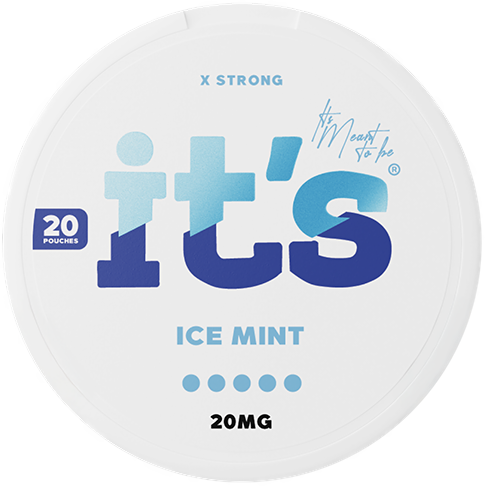
Watch for the temptation to buy several strengths at the same time. Variety can be useful later, but at the first decision stage it can blur the learning process. One clear choice makes it easier to understand how a particular strength feels.
Use the first session as a reference point
Before trying a new strength, read the product instructions and follow the stated directions for use. Keep the first session simple. Do not combine a new pouch strength with other changes, such as a different drink, a long gap since your last nicotine use, or a new flavour you are unsure about. Too many changes at once make the result hard to read.
Pay attention to how the pouch feels at the start, after a short while, and toward the end. Mild tingling can be part of the experience for some adults, but sharp discomfort, dizziness, nausea, or a racing feeling are signs that the strength may be too high. If those signs appear, remove the pouch and do not try to push through. Nicotine can affect people differently, and discomfort is not a useful target.
Also notice whether the result fades too quickly. If the pouch feels weak almost immediately, the issue may be strength, pouch size, or how long the pouch is designed to last. If it remains uncomfortable, the strength is likely above your tolerance. Keep the observation simple. The aim is to decide whether to stay, move down, or move up next time.
Adjust slowly and keep notes
Once you have a reference point, adjust one thing at a time. If the pouch felt too strong, try a lower strength before changing flavour or format. If it felt too weak, move up by a small step rather than several levels. This is where nicotine pouch strengths become easier to understand, because each change has a clear cause and result.
A short note can help, even if it is only a few words. Record the strength, nicotine content, pouch size, flavour, and how it felt. Over time, patterns appear. Some adults find that they prefer a slightly lower strength for long sessions and a higher one for short sessions. Others prefer a particular pouch size because it feels more comfortable, even if the strength is similar to other options.
Watch for tolerance changes. If a strength that used to feel right starts to feel too mild, tolerance may have shifted. If a familiar strength suddenly feels uncomfortable, a break, a change in routine, or a different pouch format may be involved. Avoid reacting by making a large jump. Small adjustments are easier to manage and safer to interpret.
Know when to step back
There are times when choosing a stronger pouch is not the answer. If a pouch causes repeated discomfort, the better move is to stop using that strength and reassess. Adults who are unsure about their nicotine tolerance, or who have health concerns, should seek appropriate medical advice rather than relying on trial and error.
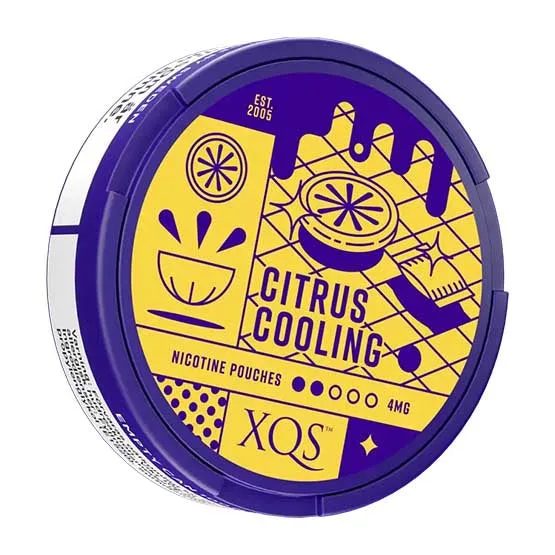
Nicotine pouches are not for children or young people under 18. They should be kept out of reach of children and pets. They are also not a harmless product, and the strength decision deserves the same care as any other nicotine choice.
A good final check is whether the product information is clear enough for you to compare it calmly. If you cannot tell what the nicotine content means, or if the strength rating feels confusing, choose a clearer option or leave that product aside. Confidence comes from understanding what you are using, not from guessing.
Picking the right strength takes a little patience, but the process is straightforward. Start with your tolerance, read the details, choose a conservative option, observe the result, and adjust slowly. That approach keeps nicotine pouch strengths practical rather than overwhelming, and it gives each adult a better chance of finding a comfortable, consistent choice.
❧